



制限から作られる表現力、写真家アントン・コービンとの対話
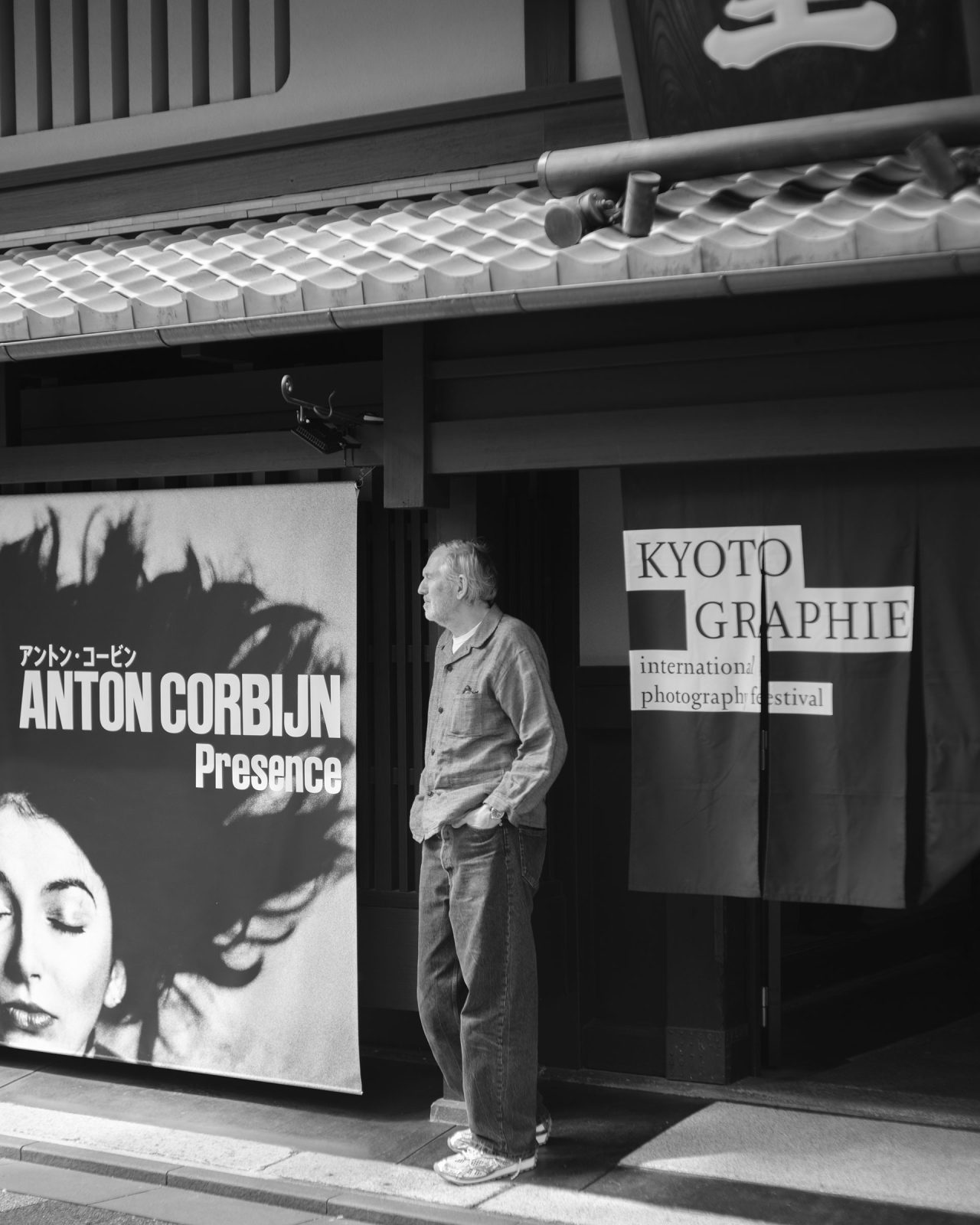
Anton Corbijn
photography: mitsuru wakabayashi
Interview & text: sara aiko
*The English version follows after the Japanese text below
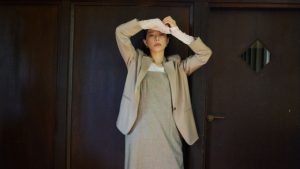
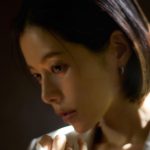
「これは京都のホテルで撮ったんだ。その日のうちに日本を発つことになっていてね、時間がなかった。ほんの一瞬で撮った一枚だよ」。
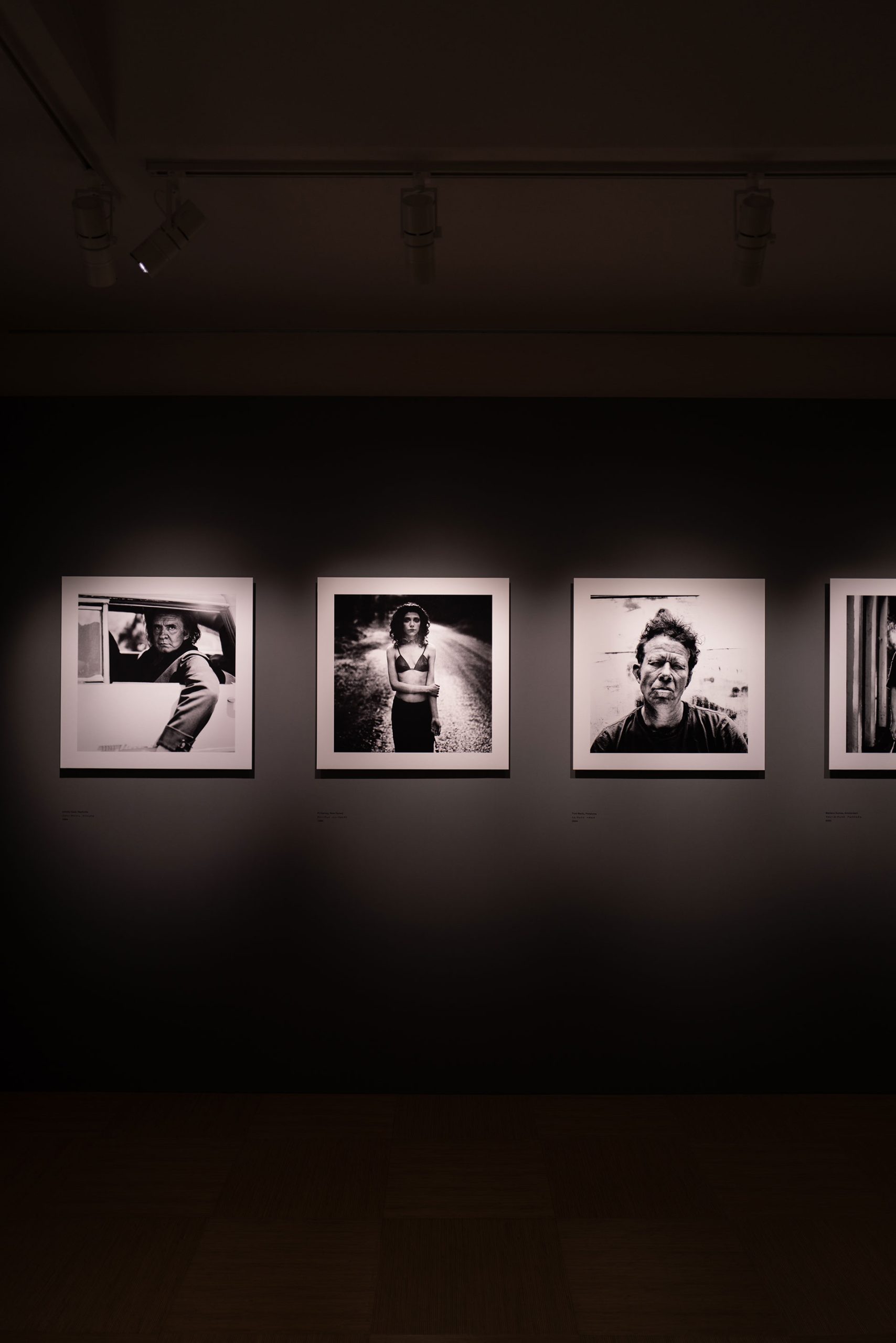
Anton Corbijn (アントン・コービン) は、自身が撮影した Siouxsie Sioux (スージー・スー) のポートレートの前に立っている。ここは嶋臺(しまだい)ギャラリー。KYOTOGRAPHIE 京都国際写真祭 2026(会期:2026年4月18日〜5月17日)の会場のひとつであり、agnès b. のサポートのもと、彼の個展『Presence』が開催されている場所だ。
制限から作られる表現力、写真家アントン・コービンとの対話
Photography
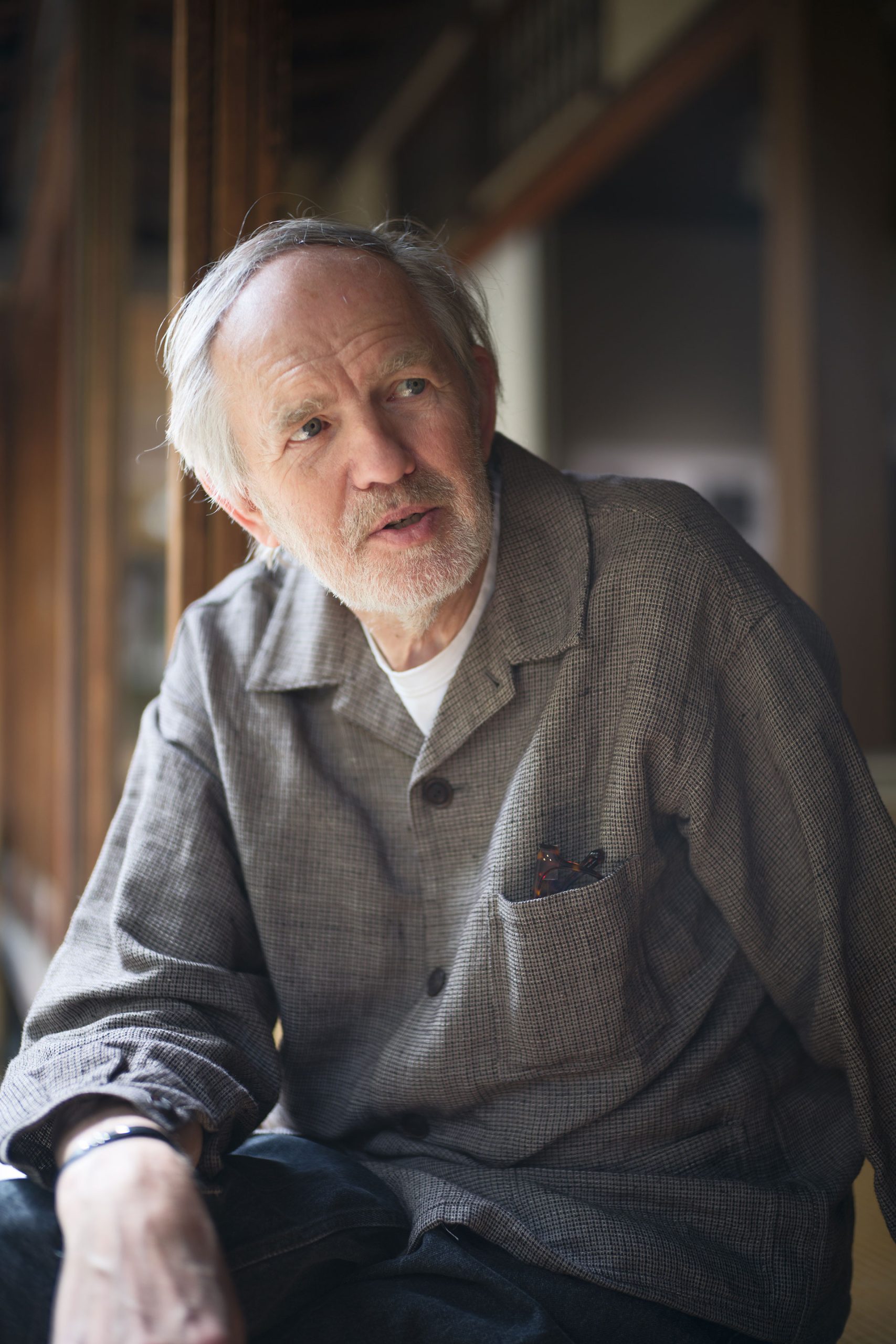
装いはシンプルだ。グレーのボタンダウンシャツから白いTシャツがわずかに覗き、穿き込まれたダークデニムを合わせている。控えめで、さりげなくクールで、どこか英国ロックの匂いが漂う。ところが目線を下に落とすと、予想外のものが現れる。鮮やかなゴールドとカーキのスニーカー。遊び心があって、さりげなく外しがきいている。
「『愛の嵐』(英題: The Night Porter) という映画、知ってる?」と彼が尋ねる。
「サスペンダーに帽子。このイメージは、あの映画に出ている女優から着想を得たんだ」
「ええ、あの映画ですね。どうしてあの作品を?」。
「特に理由はないよ」と彼は肩をすくめる。「なんとなく気に入ってね。しっくりきたんだ」。
その迷いのなさ、力みのない即興性こそが、Corbijn の写真を Corbijn たらしめている。ゆるやかで、人間味があって、どこか静かな遊び心をたたえている。ちょうど彼の足元のスニーカーのように。
50年にわたるキャリアを通して、Corbijn は Joy Division (ジョイ・ディヴィジョン) から David Bowie (デヴィッド・ボウイ)、Prince (プリンス)、Kate Moss (ケイト・モス) まで、時代のアイコンたちを撮り続けてきた。多くはモノクロで切り取られたその作品は、被写体から余分なものを削ぎ落とし、生々しく親密な何かを浮かび上がらせる。彼はよく “Limits(制限)” について語る。自らの技法にあえて枠を設けることが、かえって深い表現につながるのだと。日本の茶道の作法にも通じる考え方だろう。型があるからこそ、わずかな所作に豊かなニュアンスが宿る。彼の写真もまた、引き算によって本質を立ち上げている。
日本で作品を披露するのは、実に30年以上ぶりだという。今回の展示は、彼が重ねてきた50年のイメージメイキングを振り返るものでもある。
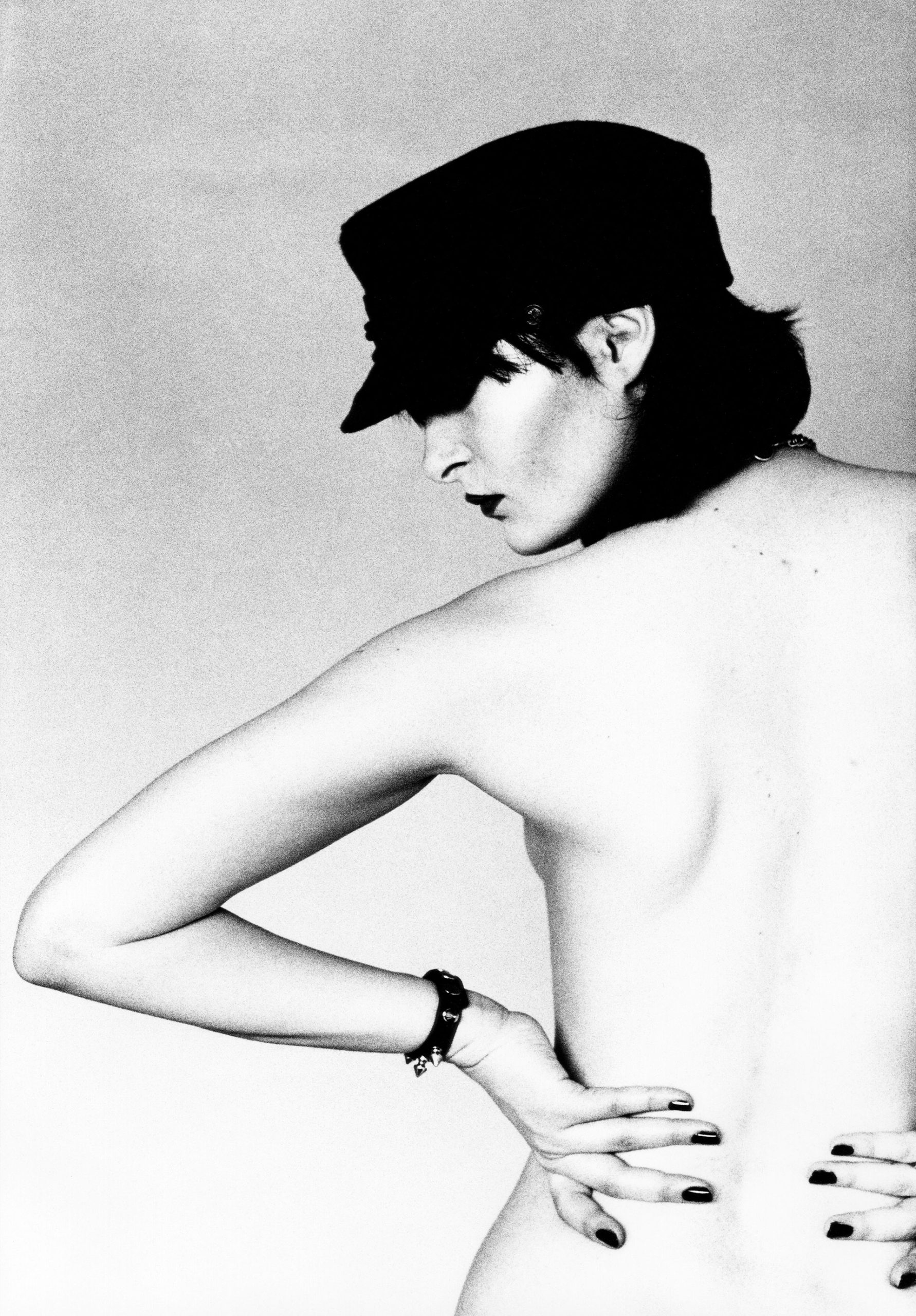
Siouxsie Sioux, Kyoto, 1982
© Anton Corbijn
—この展示、素晴らしいですね。ここに並んでいる写真は、すべてご自身で選ばれたのですか?
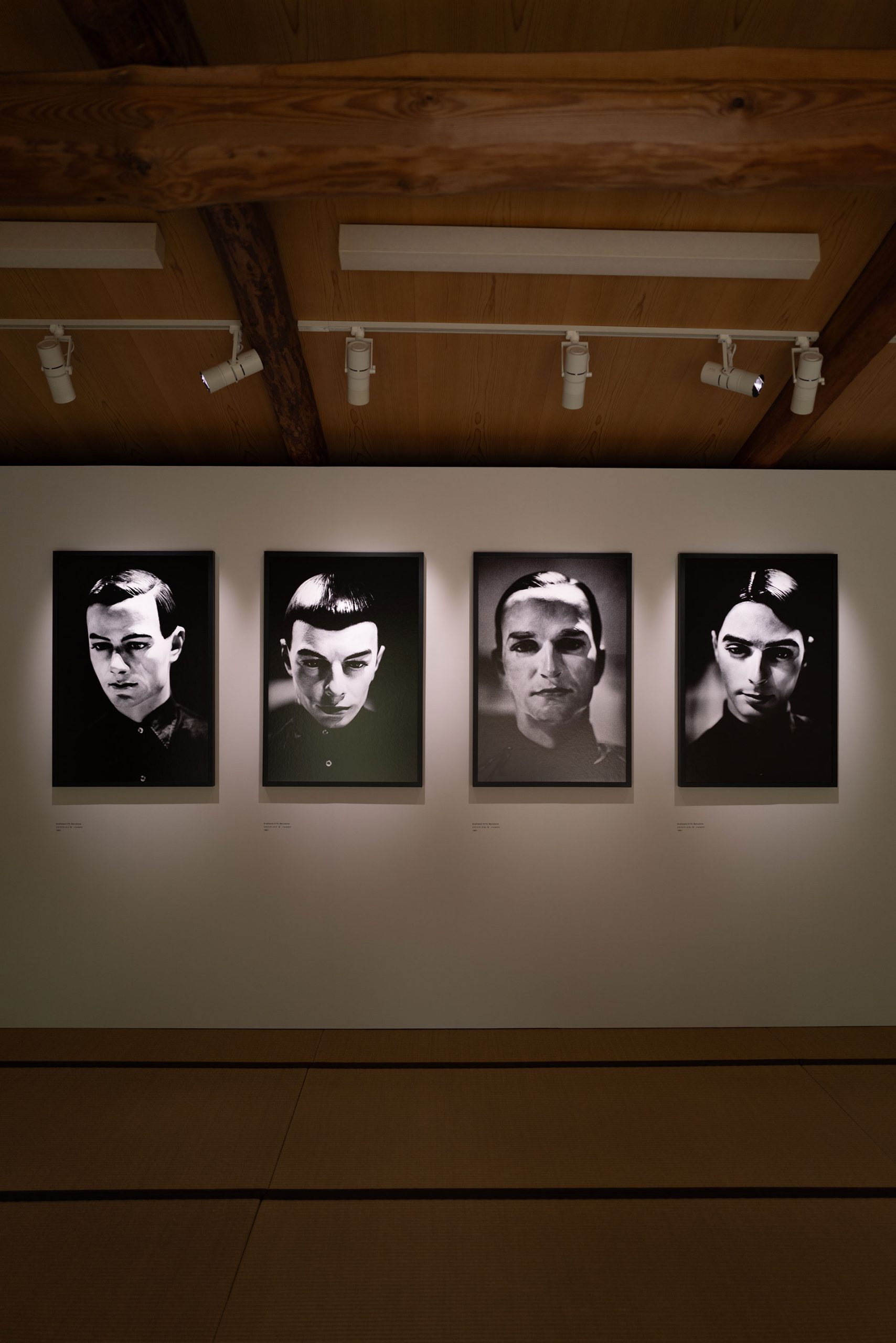
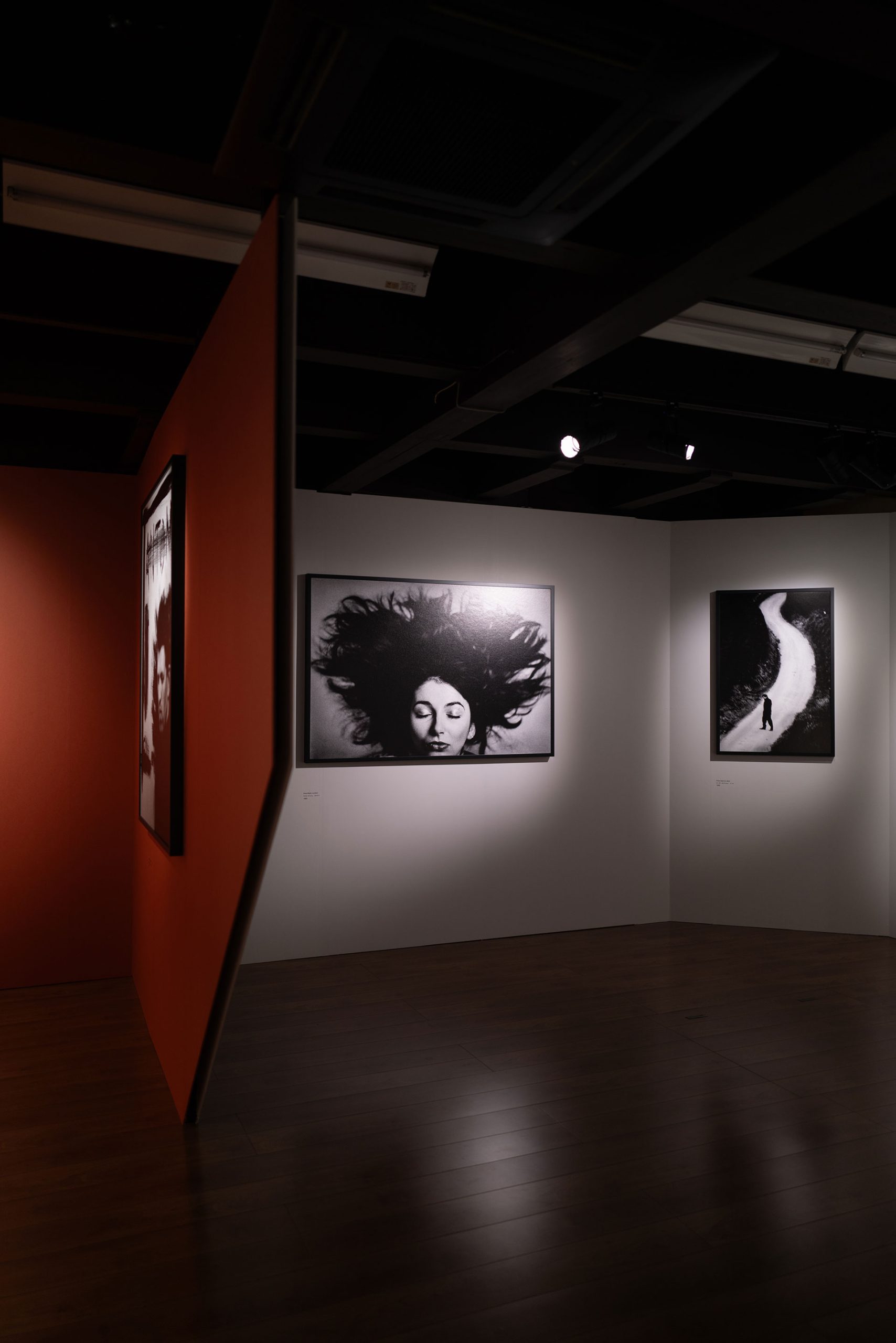
ありがとうございます。チームと一緒に選んだんですが、基本的には自分の人生や仕事の、いろんな時期の断片を集めて、この場所に合わせて仕立て直したという感じですね。普段はもう少し大きなサイズでプリントして見せることが多いので、今回は会場に合わせて特別にプリントしています。
—どんなストーリーを伝えたかったのでしょうか?
これまでやってきたことを、そのまま見せる。ただそれだけなんです。私のインスピレーションの源は、結局、誰を撮るかという選択そのもの。私が撮るのは、いつもクリエイティブな人たちですから。
—撮る相手を慎重に選ばれている印象があります。とくにキャリアの初期はそうだったのではないでしょうか?
今もある程度は選んでいます。でも昔は本当にこだわっていました。「これは自分の好きなポップスじゃない、こっちはそう」みたいな感じでね。その人の作るものを心から好きでいられるなら、自然と深くまで入り込める。自分自身をより多く、作品に注ぎ込めるんです。
Photography: Mitsuru Wakabayashi
Photography: Mitsuru Wakabayashi
—被写体との間にケミストリー、心から興味を持てる相手かどうか、が大事ということですね。
そうですね。それがないと、写真にも出てしまいますから。
—50年という時間を振り返ってみて、いかがですか?
怖いですよ(笑)。本当にあっという間でした。ただ、自分が作ってこられたものには、誇りを持っています。
—最初の一枚は、今でも誇れるものですか?
いちばん最初の写真ですか? いや、全然(笑)。でも、とにかく最初の一歩を踏み出せたこと自体はよかったと思っています。そこから進んでいくしかないわけですから。始めた頃は、写真のことなんて何も知りませんでした。ただ音楽が好きで、父のカメラを借りて、何枚か撮ってみた。それだけだったんです。F値も、写真の歴史も、本当に何も知らなかった。でも音楽には夢中だったので、ミュージシャンが自然と被写体になった。そのうち、ほかの人がミュージシャンを撮った写真を見るようになってね。当時は素晴らしい写真家がたくさんいたんです。Jim Marshall (ジム・マーシャル) や Elliott Landy (エリオット・ランディ)、そういう人たちです。
—ポートレートのどんなところに惹かれたのでしょう?
その人のパブリックなイメージとは違う一面を見せて、そこで少し遊ぶ、というのでしょうか。私の写真は、みなさんが思っているよりも遊び心があるんですよ。この靴みたいにね(笑)。それと、撮影は少人数のチームで動くようにしています。被写体にリラックスしてもらうこと、それがいちばん大事ですから。
Photography: Mitsuru Wakabayashi
—”Limits(制限)” についてよく語られていますよね。自分の技法やスタイルに、あえて枠をはめるという。モノクロを自分のスタイルにしようと決めたきっかけは何だったのでしょう?
まず70年代という時代を思い浮かべてほしいんです。当時の雑誌はたいていモノクロでした。カラーが使われるのは、商業的に成功しているバンドだけ。私が撮り始めた頃の被写体は、まだそれほど知られていないバンドばかりだったんです。それに、モノクロなら自分で現像できましたが、カラーはできませんでした。最初はそういう、とても実用的な理由だったんですよ。でも続けていくうちに、自分の撮り方と自分のものの見方が、ちゃんと重なっていることに気づいた。そこからモノクロは意識的な選択になりました。最初は35ミリで撮っていましたが、少しは上達したかな、という頃のこと。最初の写真集を出し終えた頃に、何かを変えるべきだと感じたんです。そうしないと、ファインダーを覗いた瞬間に「前に見たことがある画」が浮かんでしまう。それを避けたかった。自分に挑戦し続けたかったんです。そこで Hasselblad (ハッセルブラッド) に持ち替えました。Hasselblad になってから、音楽以外のアーティストも撮るようになりました。画家、映画監督、俳優とかですね。
—最初は U2 の仕事にも「No」と言ったと伺いました。普段から「No」と言うことが多いあなたが、今回 KYOTOGRAPHIE には「Yes」と答えた。その違いはどこにあったのでしょう?
まず、日本で作品を見せるのは1989年か1990年以来なんです。そろそろ頃合いだと思いましてね。ここで自分の仕事をもっと知ってもらいたかったですし、そのためには最高の機会でした。U2 に「No」と言ったわけじゃないんですよ。最初に依頼されたときに、あまり気乗りしなかっただけ。あれは彼らのためじゃなくて、雑誌のための仕事だったんです。でも実際に撮ってみたら、すごく楽しくて。それ以来、U2 にはいつも「Yes」と答えています。今でも一緒に仕事をしていますし、5月にもまた撮影があるんです。もう44年かそこらの付き合いになりますね。
—今回展示されている David Bowie の写真について伺ってもいいですか? あの撮影の日はどんな一日だったのでしょう。
写真のいいところのひとつは、作ったものについてあまり多くを語らずにいられることなんです。見る人が、自由に想像できる。だから私も多くは語らないようにしているのですが、あの写真は、Bowie がシカゴで『エレファント・マン』を演じていたときのものなんです。もともと予定されていた撮影ではありませんでした。彼のマネージャーに直接話を通して、なんとか撮らせてもらった。あの時代としては、かなり異例のことだったんですよ。じつは両親が家電を買うためにくれたお金があったんですが、私はそれを Bowie を観に行くためのシカゴ行きのチケットに使ってしまってね。
—家電より Bowie を選ぶ、そのセンス、素敵ですね。
いや、ただ25歳だったというだけですよ(笑)
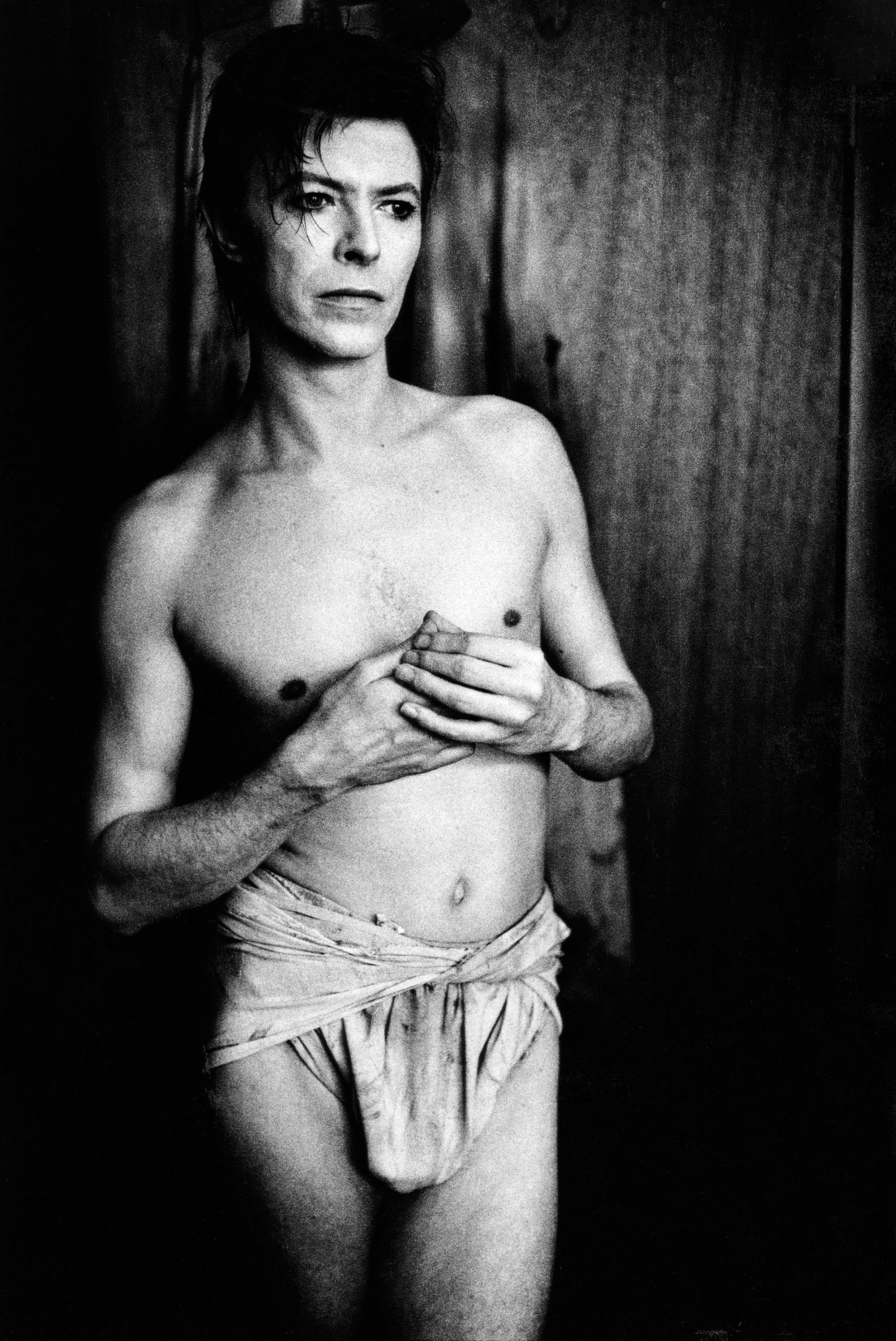
David Bowie, Chicago, 1980
© Anton Corbijn
—50年のあいだに、数えきれないほどのレジェンドを撮ってこられました。日本で、まだ撮っていない人で撮りたい方はいますか?
日本人はあまり撮ってこなかったんです。坂本龍一、あの撮影は印象深かったですね。80年代、たしか80年代の初め頃だったでしょうか。いいポートレートが何枚も撮れました。ところが当時は、撮ったフィルムをスーツケースに入れていて、そのスーツケースが7週間も行方不明になってしまいましてね。雑誌の締め切りには間に合いませんでした。ただ、その写真は後に自分の写真集に収めることができた。それだけは救いでしたよ。
—自分が愛せる仕事だけをする、というお話をされていました。プロデューサーの Rick Rubin (リック・ルービン) も、「自分のために作れ」というようなことを言っていますよね。言葉としては共感できるのですが、もっと商業的な現場では、これをどう実践すればいいのでしょう?
私は、自分が撮りたい写真のために、いつも戦っています。もちろん最初は小さな仕事を選んでいました。そのほうが自分のやりたいことができましたし、クリエイティブ・コントロールも保てましたから。でも、予算が大きくなってくると、こちらが提供する以上のものを求められるようになる。そこが難しい。たとえ仕事を失うことになっても、自分の表現は守らないといけないんです。もちろん、クリエイティブな仕事を純粋にお金のための手段として割り切るのも、それはそれでいい。その人の選択ですから。ただ私は、自分が納得できるものを作るための手段にしたいんです。運が良ければ、それがちゃんと収入にもなってくれる、ということですね。
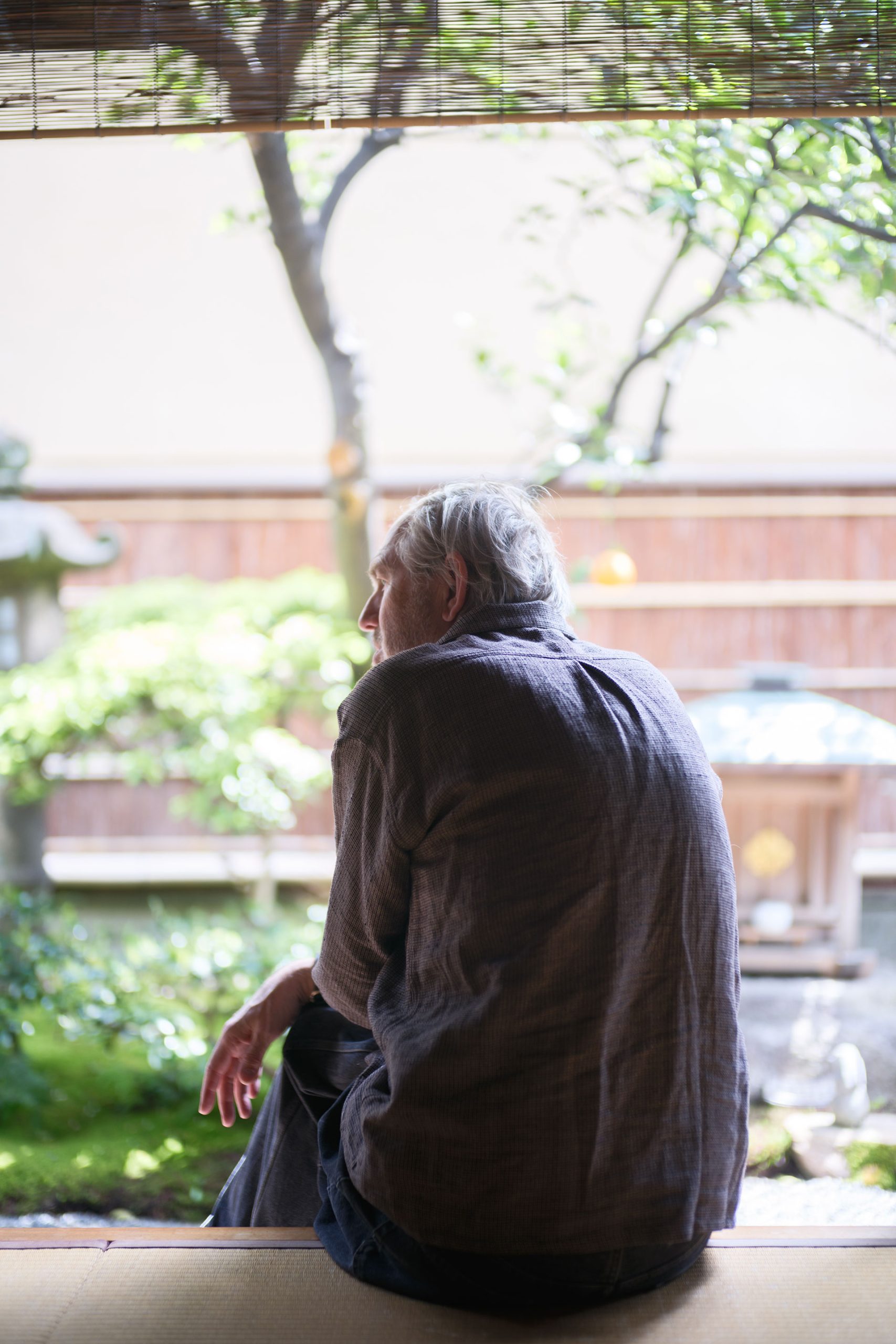
Photography: Mitsuru Wakabayashi
—最後の質問です。Anton Corbijn の写真を Anton Corbijn の写真たらしめているものは、何でしょう?
いつも三つのことが必要だと言っているんです。ひとつは、その写真が自分自身について何かを語っていること。そうでなければ、誰が撮っても同じ写真になってしまいますから。二つめは、撮っている相手について何かを語っていること。そして三つめは、新しいものを、新しいアプローチで見せていること。この三つが揃っていれば、いい仕事ができていると言えると思います。
—コービンさんの作品にはオーガニックで不完全な質感があって、日本の「侘び寂び」の哲学にも響くものを感じます。
侘び寂び。そう、数年前にこの言葉に出会いましてね。本まで買いましたよ。人間の手触りというのは、やっぱり欠かせないものだと思います。意図して不完全を作ろうとしているわけではありません。ただ、私の仕事の進め方は、それが生まれる余地を残している。その余地から、何か本物のものが立ち上がってくるんです。
—今日は貴重なお時間をありがとうございました。日本での時間を楽しんでください。
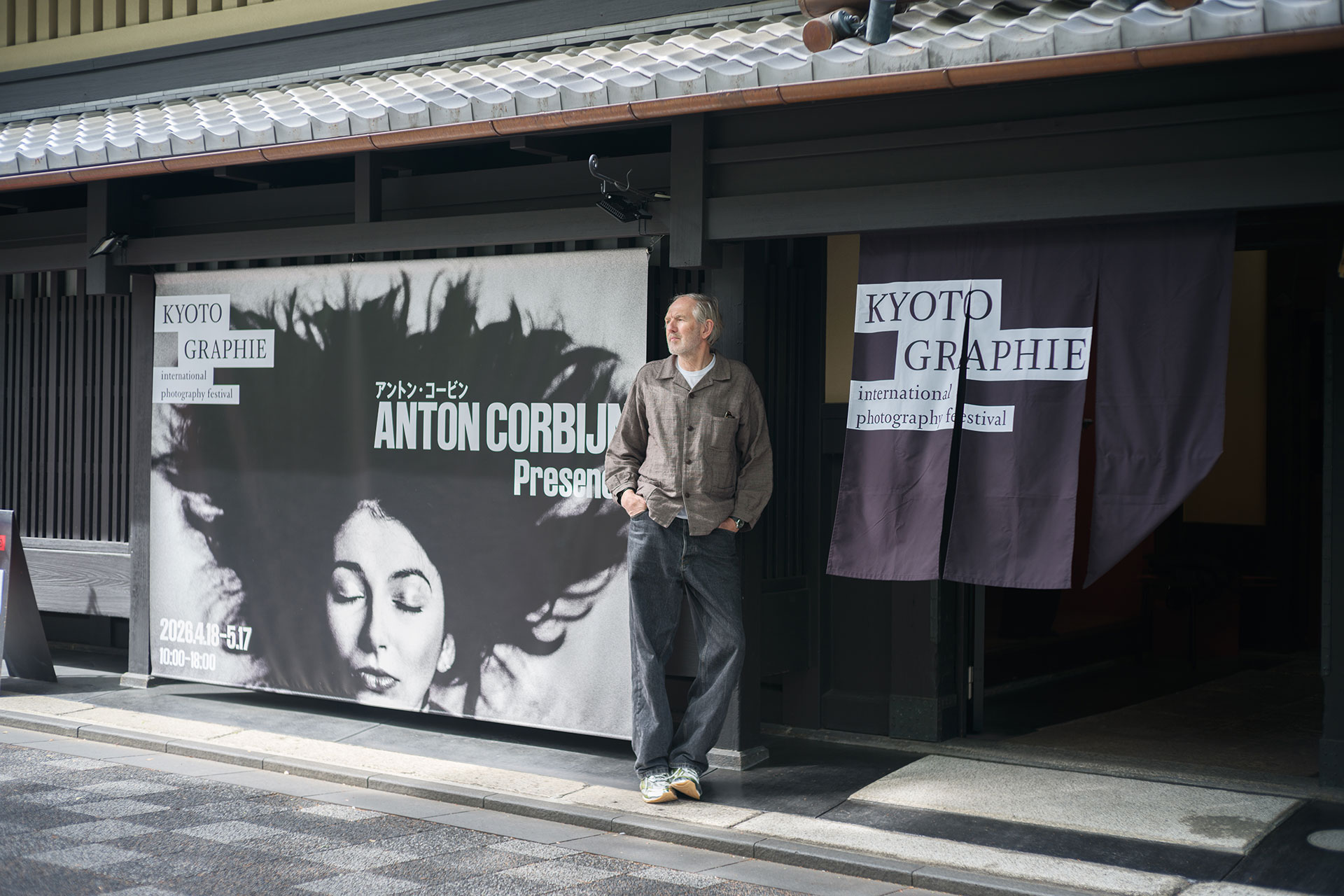
Photography: Mitsuru Wakabayashi
Expressing through limits
A conversation with photographer Anton Corbijn
“I shot this at my hotel in Kyoto. I was in a hurry, flying out that day. It was quick.”
Anton Corbijn stands in front of his portrait of Siouxsie Sioux at Shimadai Gallery, where his exhibition is on view as part of The 2026 KYOTOGRAPHIE exhibition. He’s dressed simply, a grey button-up, a white T-shirt peeking through, worn-in dark denim. Understated, casually cool, very British rock. But as my eyes travel downward, I catch something unexpected: bright gold and khaki sneakers. Playful. Slightly offbeat.
“Do you know the film The Night Porter?” he asks.
“The suspenders, the hat, the image is inspired by the actress in that film.”
“Oh yes! Why that reference?” I ask.
“No reason,” he shrugs. “I liked it. It felt right.”
And that instinct, immediate, unforced is what defines a Corbijn photograph. There’s a looseness to it, a human quality. A quiet playfulness, much like his shoes. Over a career spanning five decades, Corbijn has photographed icons from Joy Division to David Bowie, Prince, and Kate Moss. His work, often in stark black and white, strips subjects down to something raw and intimate.He often speaks about limits, how setting boundaries within your craft can lead to deeper expression. Much like the structure of a Japanese tea ceremony, where constraint creates space for nuance, his photographs reveal something essential through reduction. Now, returning to Japan for the first time in over three decades, his exhibition at KYOTOGRAPHIE reflects on 50 years of image-making.
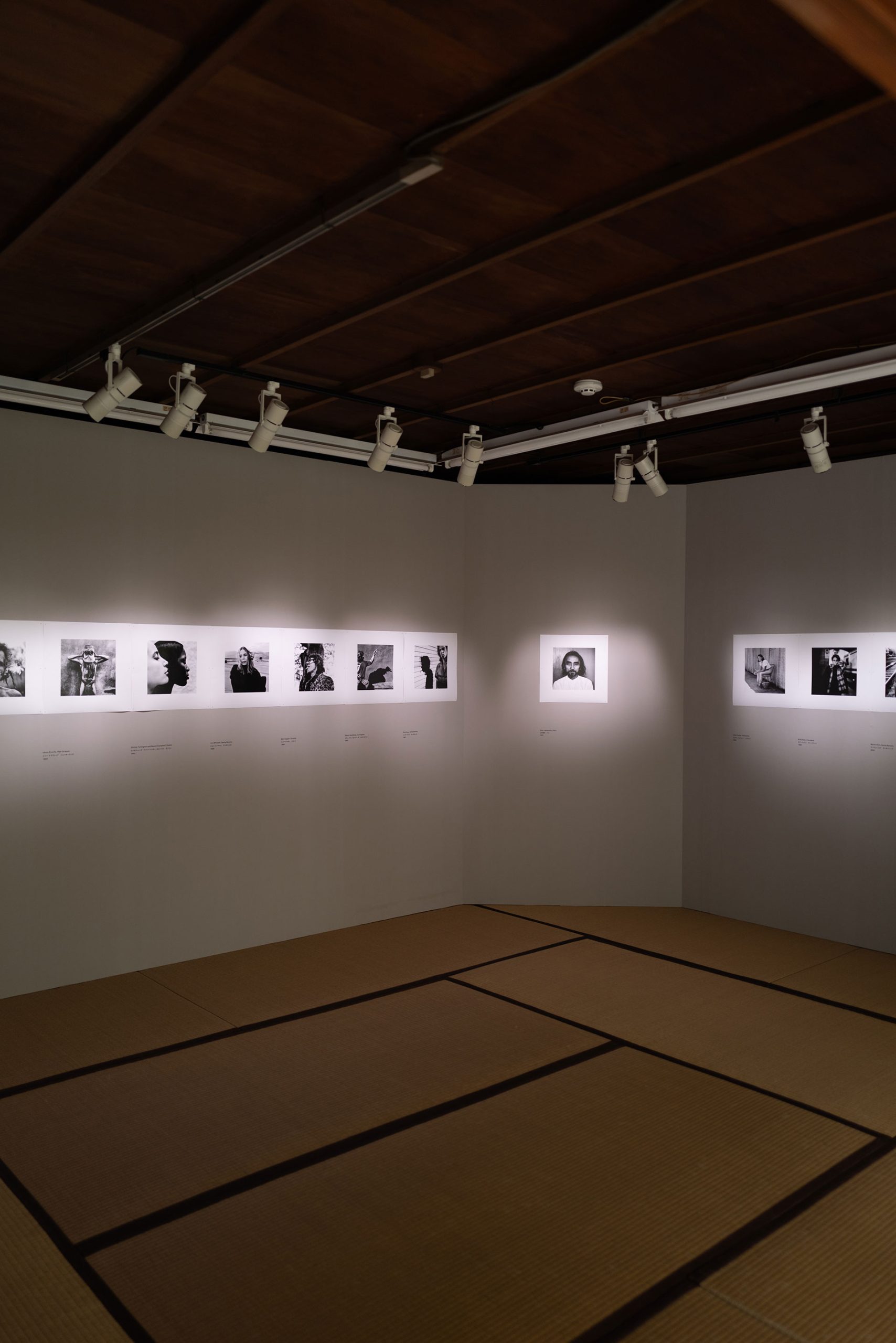
Photography: Mitsuru Wakabayashi
—So first of all, congratulations on this exhibition. Did you curate all the photos here?
Thank you. It was somewhat a collaboration with the team, but it’s basically elements of different periods of my life, of my work life, and then made to measure. Normally, my photographs are slightly larger, so these are specially printed for this exhibition.
—What was the story that you wanted to convey?
It really is just showing what I’ve done so far. Because what has inspired me is to select these kinds of people. I’m always shooting creative people.
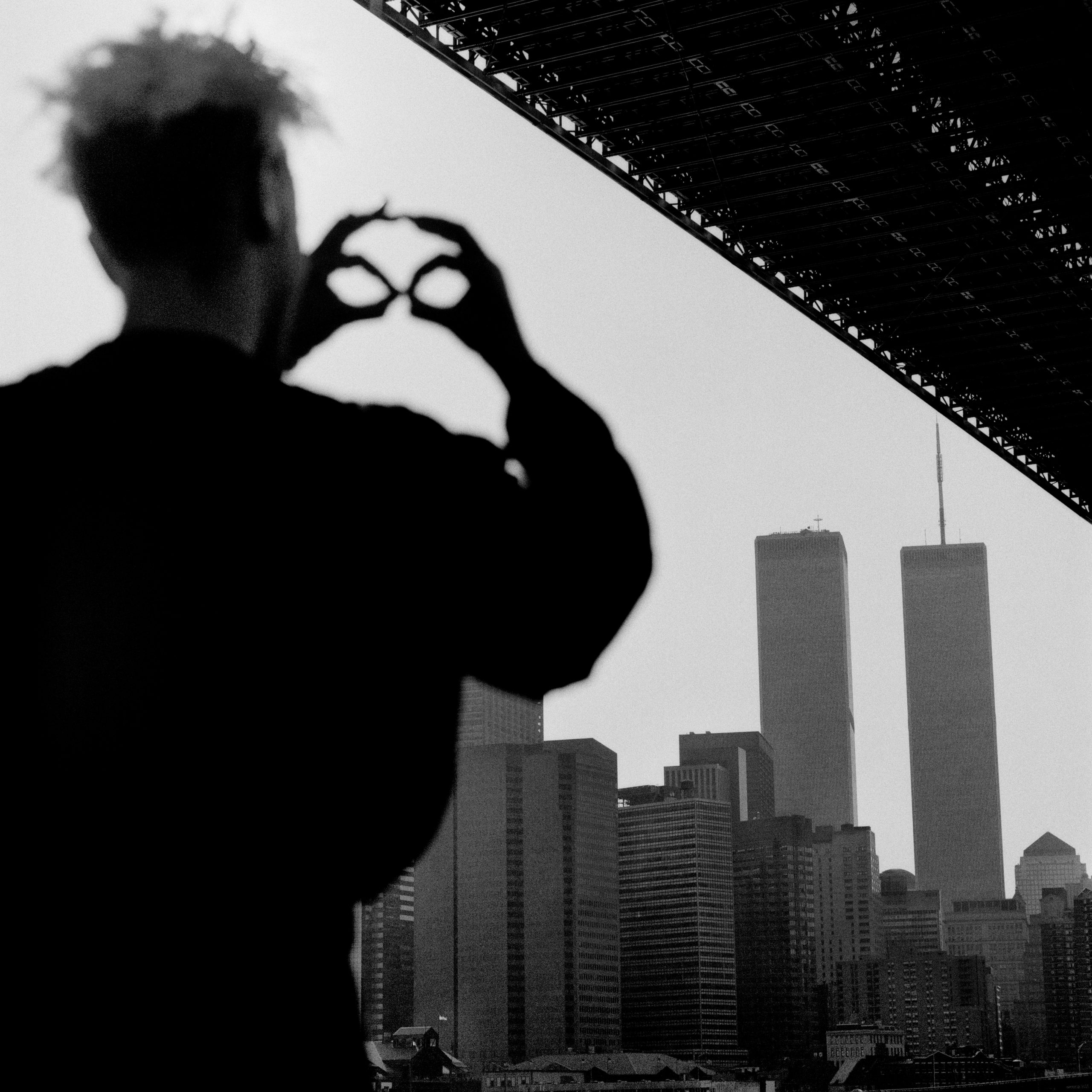
Depeche Mode, Martin Gore, New York, 1990
© Anton Corbijn
—You’re selective with who you shoot. Was that more true earlier in your career? I guess for you, you have to have chemistry with your subject matter? You have to have a genuine interest.
I’m still selective to a degree, but in the past, I was very selective. For example, that’s the wrong kind of pop music, that’s the right one etc etc. I think that if you really like what the person creates, what they made, you’re bound to go deeper. You’re bound to put more of yourself into the work.
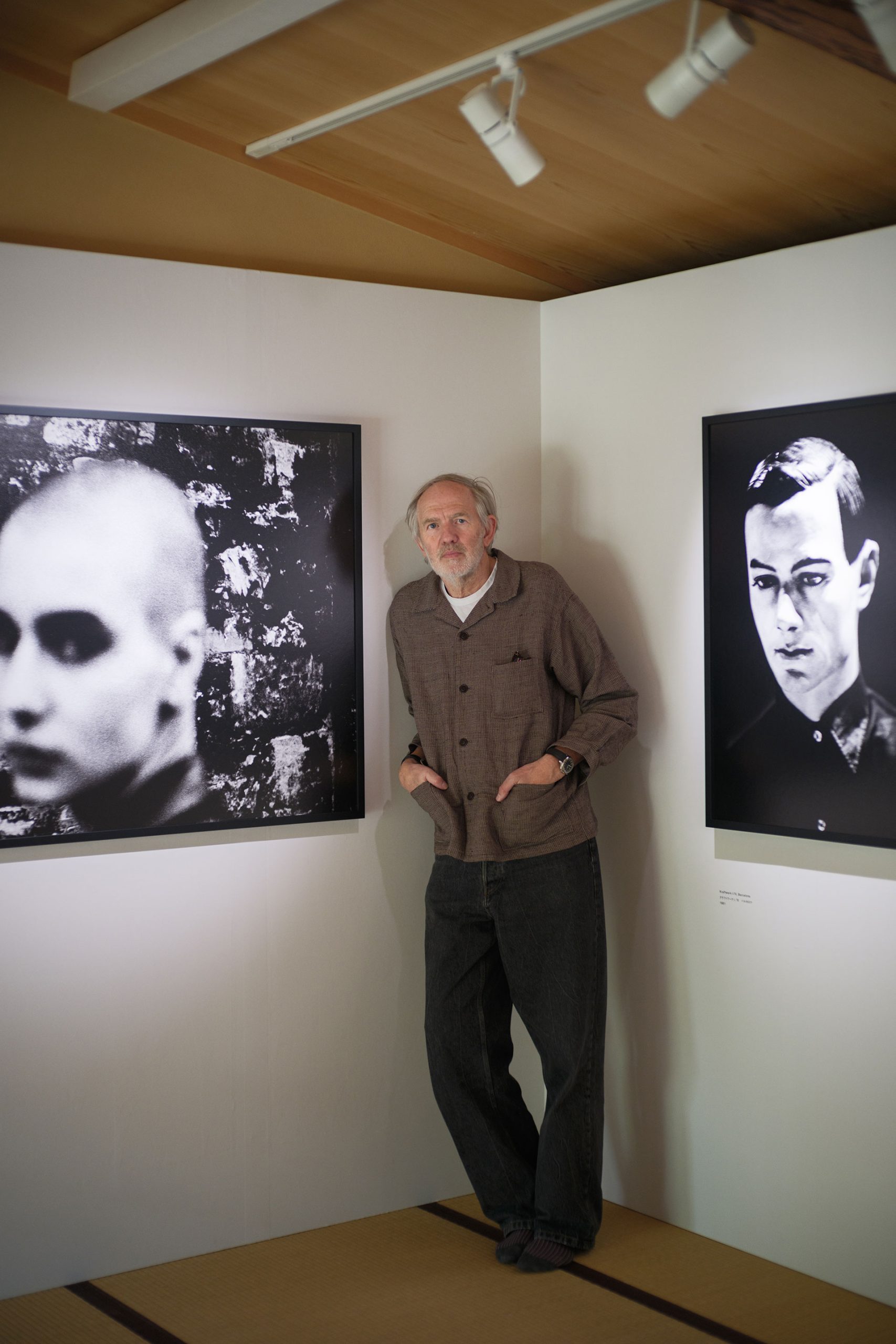
Photography: Mitsuru Wakabayashi
—How was it looking back 50 years?
Oh, scary (laughs). It goes so fast. But, I’m also very proud of what I’ve been able to make.
—Has your style of photography changed since the beginning? Are you still proud of your first photo?
Well, the very first photo? No, not at all, but I’m happy that I started somewhere, you have to take it from there. When I started, I had no idea about photography. I used to love music, and I borrowed my father’s camera, and I took a few pictures. I didn’t know anything about F stops or any of that, and I didn’t know about the history of photography. And I was fascinated with music, so it became my automatic kind of subject matter. I then started to look at other people taking pictures of musicians. And there were some great guys at the time like Jim Marshall, Elliott Landy and so on.
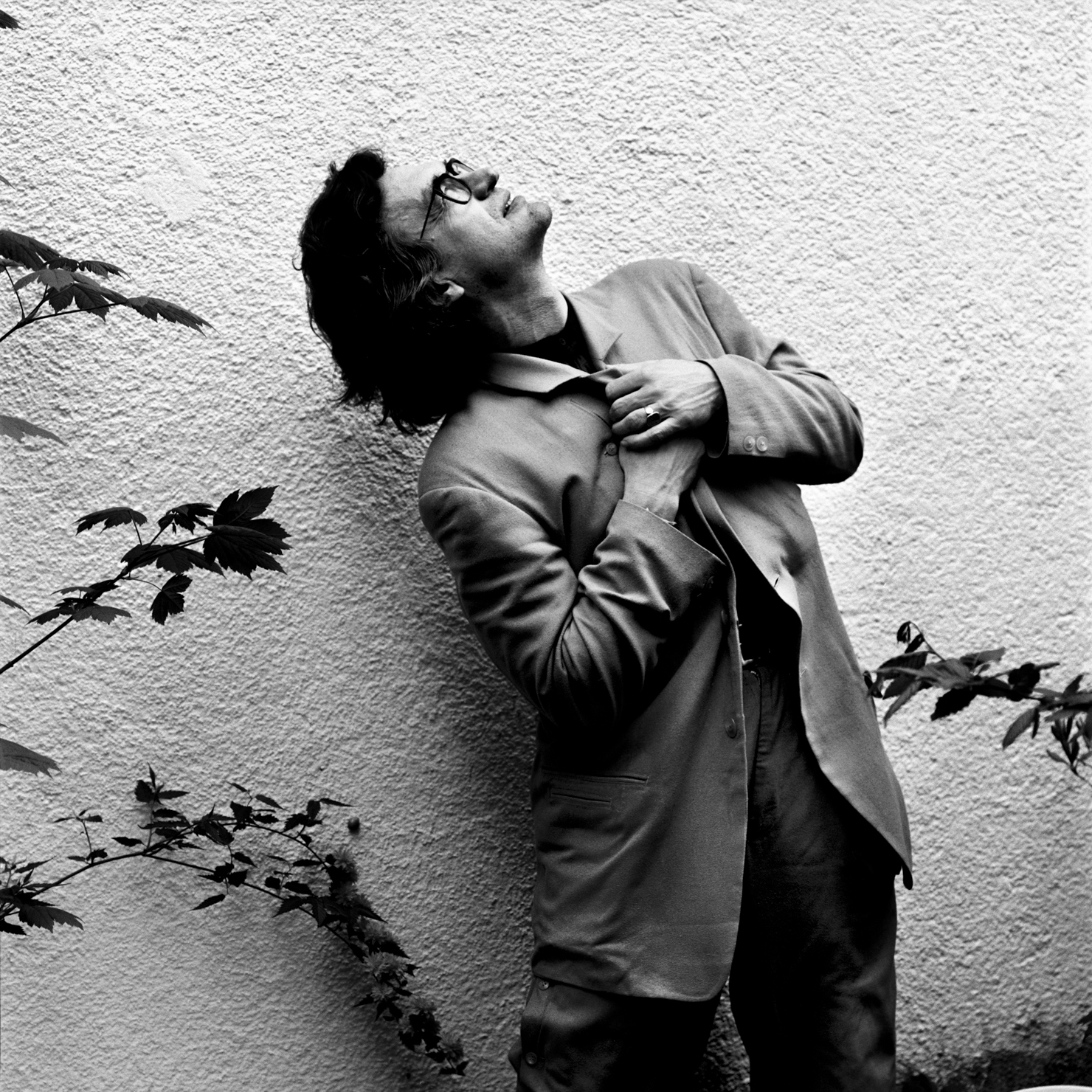
Wim Wenders, Munich, 1993
© Anton Corbijn
—What was it about portraiture that really inspired you?
I think that it’s showing people something different from their public persona and play with it a bit. My photography is more playful than people assume. My shoes are not (laughs). I also shoot in a small team so the subject feels comfortable. That’s the most important.
—You speak about limits a lot, limiting your craft and your style. What was it about black and white photography that made you decide this is your style?
I think initially, you know, you have to think of the 70s, where the magazines were usually in black and white and color was usually used for the very commercially successful bands. So what I was photographing when I started were bands that were not so successful. Also with black and white, I could develop myself and color I couldn’t, so it just came down to very practical things. And then once I started going, I found that the way I was shooting was how I looked at things. It became a choice to shoot it black and white. I initially shot with a 35 millimeter camera but when I improved and hopefully I did, after I finished my first book, I felt I should change something, because otherwise I started to get visions of things already seen through my camera. I wanted to keep changing that, keep challenging myself. That’s when I started to shoot with a Hasselblad. When I started with Hasselblad, I also started to shoot other artists outside of music, like painters, directors and actors.
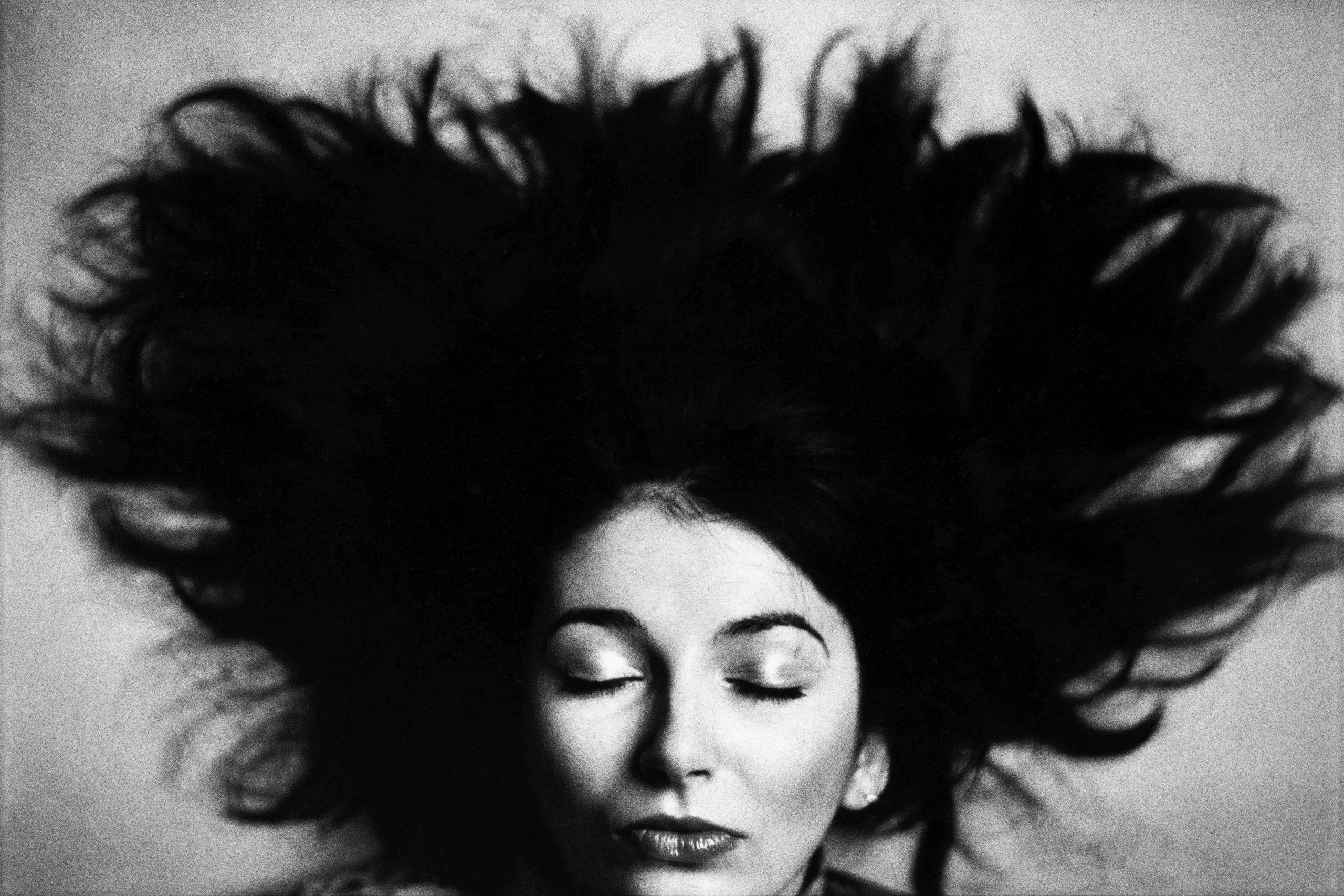
Kate Bush, London, 1982© Anton Corbijn
—You’re very aligned with your work and also your subjects. I heard at the beginning, you said ‘No’ to U2 as well? For someone who often says ‘no’ to things, what made you say yes to working on this exhibition with Kyotographie?
Well, first of all, I haven’t shown any work in Japan since 1990 I think or 1989 so I think it was about time. I wanted to make people more aware of my work here, it was the best way to do so. I didn’t say no to ‘U2’ but I wasn’t enthusiastic about U2 when they asked me to take pictures, it wasn’t for them, it was for a magazine. I enjoyed the experience once I photographed them. After that, I always say yes to them, I still work with them. I’m going to work with them again in May. It’s been 44 years or something.
—This photo of David Bowie exhibited at this exhibition. Can we talk about the day of the shoot, what was the day like? How did it all unfold?
Well, one of the good things about photography is that you can create something and not say anything about it, and that people can make their own fantasy about your image. So I don’t fill in too much, but that photo was him playing in the Elephant Man in Chicago. It wasn’t planned but I sort of managed to get my way by speaking to his manager and she allowed me to take pictures. This was rare. My parents had given me money to buy some household appliances but I used that money to buy a ticket to Chicago to see Bowie.
—I love your creativity, your priorities.
Priorities? I think it’s just being 25 (laughs)
—You have shot so many legends and icons in 50 years, who in Japan would you like to shoot, who you haven’t photographed yet?
Oh I haven’t shot many Japanese people. Ryuichi Sakamoto! He was a memorable one. I shot him in the 80s… or early 80s. There were some good portraits there. But unfortunately, in those days, I put the films that I shot in my luggage, and the luggage went missing for seven weeks. I missed the deadline for the magazine. However I managed to get the photos in my book so that was good.
—You talk about doing work that you love and only making things that you love. Producer Rick Rubin also said something along the lines of, create work for yourself. And while I love that advice, how would one follow that advice in more of a commercial landscape?
I’m always fighting for my picture, the picture I want to make. So initially, of course, I did small jobs so I could do what I wanted and I had creative control. However when people start to pay a lot of money, they want more than what you offer. That’s a tricky situation. You always have to stand up for your thing, even if that means not getting the job. Also, using your creative work as just a tool to make money is fine too. It’s your decision. I’m trying to make it a tool that creates something I can live with, and if I’m lucky, it generates income.
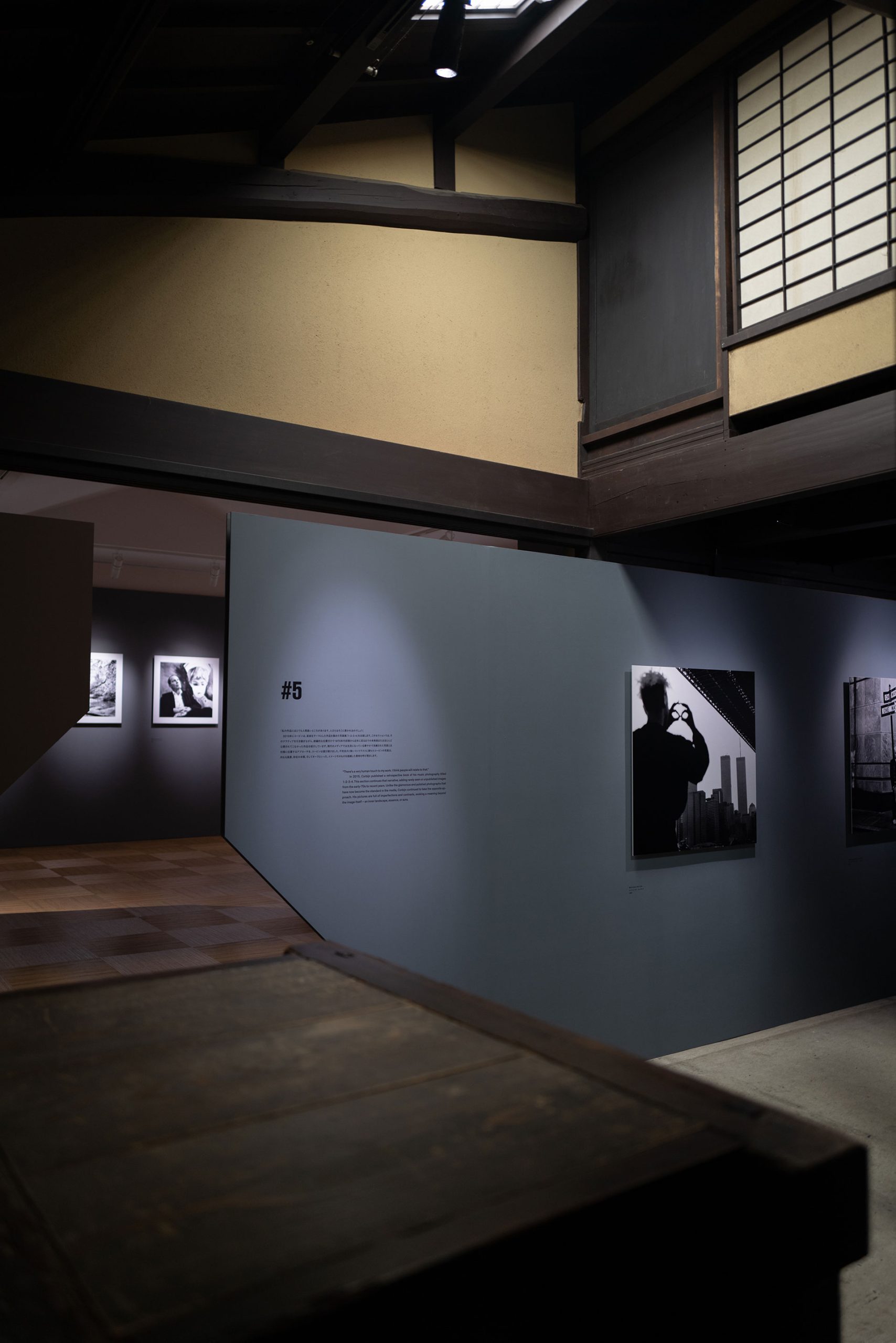
Photography: Mitsuru Wakabayashi
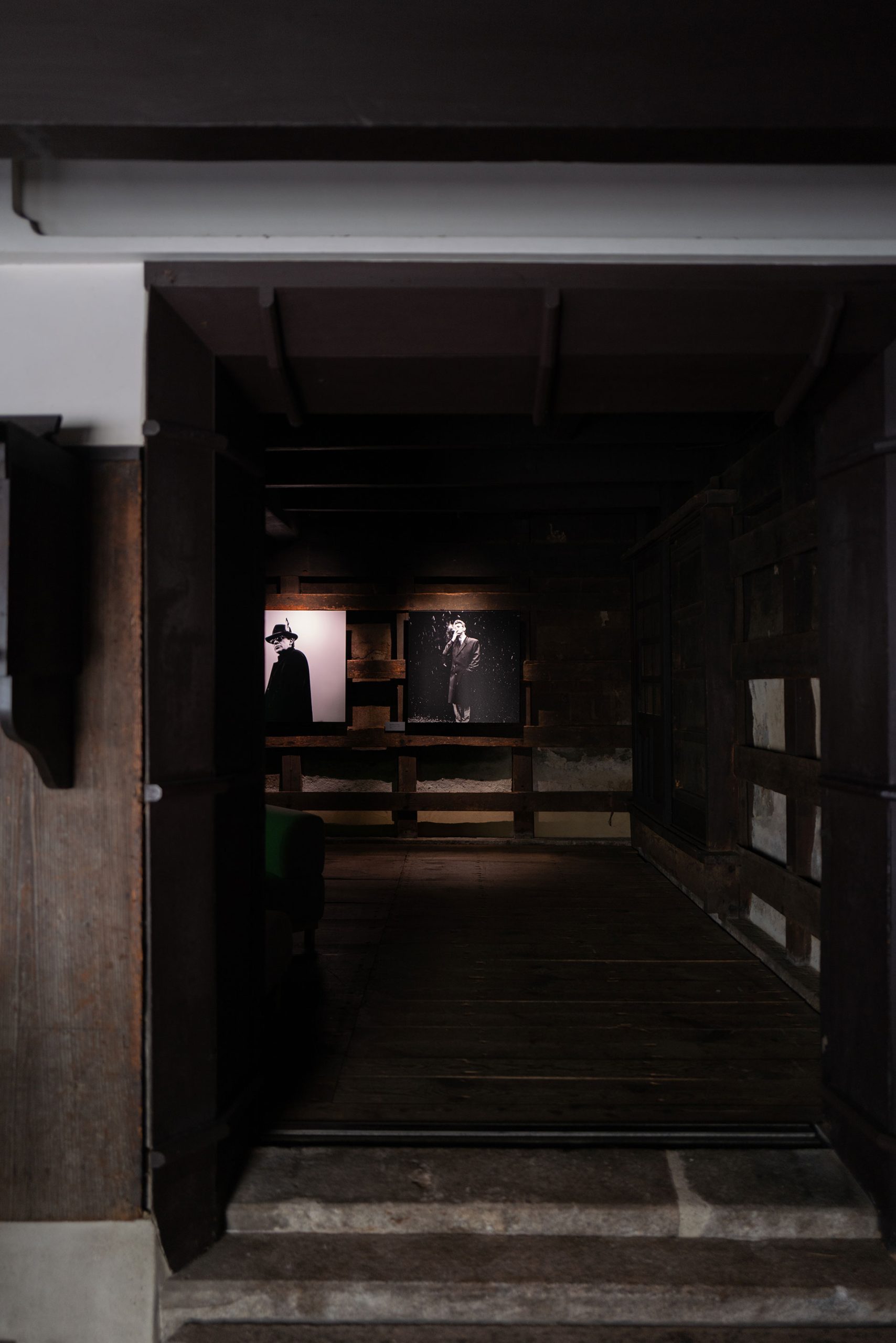
Photography: Mitsuru Wakabayashi
—Last question, what makes an Anton Corbijn photo?
I always say it has to have three things. One, it has to say something about me, because otherwise any photographer could take the picture. Two, it says something about the person you’re photographing and three, it should show something new, a new approach. So if you have elements of all three in a picture, then you’re doing well.
—Your work has an organic, imperfect quality, it almost echoes the Japanese philosophy of wabi-sabi.
Wabi Sabi. Yes, I came across that word a few years ago. I even bought a book on it. I think the human touch is essential. I don’t try to create imperfection, but the way I work allows it to exist and that’s where something real happens.
—Thank you for your time and enjoy Japan.
<Profile>
Anton Corbijn (b.1955) is a Dutch photographer, filmmaker, graphic designer, and video artist. Born in a small town on an island in the Netherlands, Corbijn began shooting local bands at the age of 17 before moving to London to work for NME magazine in 1979 as the main staff photographer. He has directed over 80 music videos for a number of musicians, including Nirvana, U2, Depeche Mode, and Joy Division. His major directorial works include Control (2007), a film depicting the life of Ian Curtis, the frontman of Joy Division who died at the age of 23, The American (2010) starring George Cloo-ney, A Most Wanted Man (2014) with the late Philip Seymour Hoffman, Life (2015) based on the friendship of a Life photographer and the American actor James Dean, starring Dane deHaan and Robert Pattinson as well as Squaring the Circle (The Story of Hipgnosis) (2023), a documentary about the art group Hipgnosis, known for designing album covers for numerous musicians including Pink Floyd, Peter Gabriel, Paul McCartney and Led Zeppelin.